




Rolling Paper Alternatives
Posted by DaySavers Team on Jul 10th 2026
Rolling papers are iconic for a reason. They pair perfectly with cannabis because they're thin, near flavor-free and have been getting the job done for stoners for generations. That's why, whether they're made from refined white or natural brown wood fiber paper, hemp papers from hemp fibers or even bamboo (or flax, cellulose, etc.), rolling papers are the de facto choice for joints and pre-rolled cones.
But they are far from the only material that can be used to fashion a fabulous pre-roll. And no, we're not talking about ripping a page out of a book or peeling the foil off a gum wrapper; my goodness, please don't.
What we're talking about are purpose-made smoking wraps created from a variety of natural materials including hemp, tea leaves, flowers, berries and other botanicals. Many burn slower, add more flavor to the sesh, and look and smell great.
So let's take a break from traditional rolling papers and explore some of the alternative materials being used to wrap flower for pre-rolls.
Hemp Wraps - The OG Rolling Paper Alternative
If rolling papers are the standard for a joint, hemp wraps are surely the standard for the modern tobacco-free blunt. Unlike hemp rolling paper, which is primarily made using the long fibers found in the stalks of the hemp plant, traditional hemp wraps use ground hemp biomass from more of the plant.
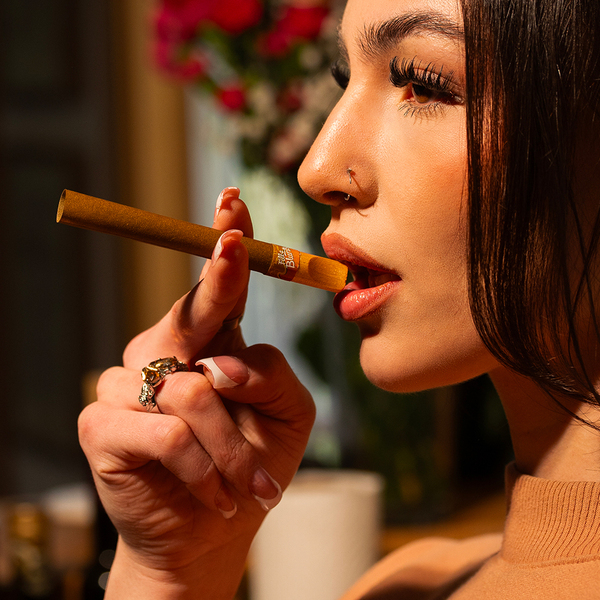
The hemp material is ground down and combined with binding ingredients to create a mixture that can be pressed into thick sheets, slowly dried and cured and cut into wraps or formed into pre-rolled blunt cones or blunt tubes.
The result is a significantly thicker wrap than traditional rolling paper, and that thickness is a big part of the appeal. Hemp wraps tend to burn slower and add a subtle, earthy flavor to the session. And because hemp and your bud come from the same plant, the flavors tend pair nicely together instead of overpowering the strain you packed inside.
DaySavers offers hemp wrap blunts through our popular Fill-a Blunts line of premium pre-rolled hemp blunt tubes that come in 1-gram and 2-gram varieties, and include premium filter tips like glass, ceramic and flavored wood for an elevated pre-roll experience sans-papers. Plus, there's no rolling involved. Simply pack it with your favorite flower and you're session-ready.
But there is a catch. Since traditional hemp wraps rely heavily on water bonds for their structure, as the wrap dries out, those bonds begin to break down and the material can become brittle and crack. Anyone who has tried to roll an old, crispy hemp wrap knows exactly what we're talking about.
Hybrid Hemp Wraps
So what if you want the slower burn and fuller experience of a hemp wrap without having to treat your wrap like a delicate antique? That's where hybrid hemp wraps come in.
Hybrid hemp wrap combine processes from both traditional hemp wraps and hemp rolling paper. Instead of relying primarily on ground hemp biomass, hybrid wraps use a higher amount of long hemp fibers, and those fibers provide additional strength and structure, making the material less dependent on those moisture bonds.
In other words, hybrid hemp wraps don't dry out and get brittle like classic hemp wraps.
They are thicker and slower burning than rolling paper, but aren't quite as heavy or earthy as a traditional hemp wrap; they roll like paper and smoke like a hemp wrap.
That's exactly why we use hybrid hemp wrap for DaySavers blunt cones and Artisan Tubes. The subtle, earthy taste complements the flower without completely hijacking the flower's flavor, and the wrap stays pliable longer. Best of both worlds? We think so.
Tea Leaf Wraps
Maybe hemp isn't your cup of tea, and that's ok. Tea leaf wraps have recently become one of the more interesting botanical alternatives to traditional rolling papers and blunt wraps.
True tea leaf wraps are made using tea plant material and are pulped, pressed, dried and formed into wraps or pre-rolled cones in a process with some similarities to paper and hemp wrap manufacturing.
Black tea and green tea can both be used and the result is usually a rich brown wrap with a mild tea aroma and subtle flavor. Tea leaf wraps can also be blended with other botanical materials like chamomile, while cocoa and vanilla can also be used to construct a more complex aroma and flavor profile.
And one important distinction must be made when looking at botanicals. A true botanical wrap uses the actual plant material, which is VERY different from taking a hemp wrap and spraying it with botanical oils or artificial flavors.
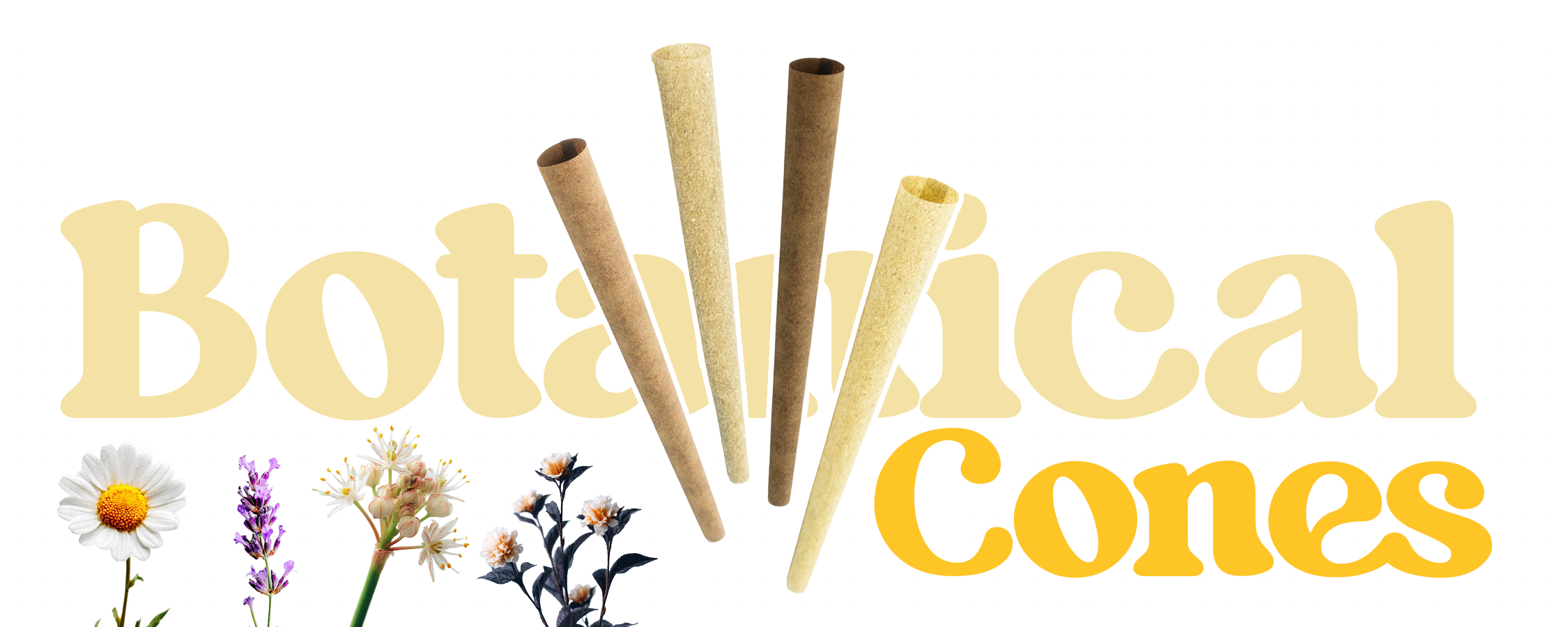
Chamomile Blunt Wraps
You're probably familiar with chamomile tea, now imagine that light floral profile being incorporated into the material surrounding your flower.
Chamomile can be blended into tea leaf wraps or used as the primary botanical component in other smoking wraps. It brings a soft floral aroma and a light flavor that tends to sit behind the flower rather than overpowering it.
And that's really the sweet spot with botanical wraps. Your wrap should add something to the experience, but you still want to taste the flower you rolled or packed.
Goji Berry Wraps
Of all the rolling paper alternatives out there, goji berry wraps are surely the easiest to spot. Why you ask? Because they're orange. Like, actually orange.
Goji berry wraps use goji berries to create a thin, pliable botanical wrap with an incredibly distinctive natural color, and the material even has a slightly translucent appearance, especially when light passes through it.
The goji berry adds a subtle fruit characteristic to the mix and are surprisingly flexible. They are not as moisture-sensitive as traditional hemp wraps, helping them stay soft and pliable instead of quickly becoming brittle.
Honestly, even before you light one, goji berry wraps are just plain cool to look at.
Lavender Wraps
Lavender is famous for its aroma and beauty, so it's not exactly surprising that someone looked at it as a possible material for pre-roll wraps.
And let's be clear that we're talking about commercially produced botanical wraps, as the source and testing of any material you plan to light and inhale matters. We don't mean hemp or paper sprayed with lavender terpenes, we mean actual lavender flowers that have been turned into blunt wraps and cones.
Lemongrass Wraps
Lemongrass naturally has a distinct, citrusy aroma, and is typically more noticeable than the actual flavor, adding another dimension to the session without necessarily masking the flower.
It's a great example of why botanical wraps have become so interesting, as changing the material surrounding your flower can change the entire sesh altogether. Color, aroma and texture naturally become part of the experience.
Cocoa Wraps
Yes, chocolate has officially entered the chat. Cocoa wraps are made using cocoa plant material, including cocoa bean husks, to create a darker botanical wrap with a subtle cocoa aroma and flavor; but don't expect hot chocolate smoke.
The profile is much more low-key, and cocoa wraps tend to bring a slightly sweet characteristic that can work alongside the natural flavors of the flower. Visually, their deep brown appearance also gives them a classic blunt look, even though there is no tobacco involved.
Black Tea Wraps
While tea leaf wraps are their own larger category, black tea specific wraps are unique in their own right. The dark oxidized tea leaves help create a rich brown wrap with a deeper aroma than some of the lighter botanical materials.
Black tea can also be combined with chamomile, cocoa, vanilla and other plant materials to create more complex wrap profiles while keeping the flavor of the flower front and center.
Rolling Paper Alternatives to Avoid
But not everything works to wrap your next pre-roll. In fact, some might actually be dangerous.
Palm, Cordia and Tendu leaf wraps, for example, have become popular rolling paper alternatives over the years, as have rose petals and other natural leaves. The problem though is that natural plant materials can pick up pesticides from farming (which are not a problem on a plant you just plan on looking at), heavy metals from the soil and microbials during growing or processing.
It's the reason DaySavers takes testing so seriously and why we've stayed away from those materials when we couldn't consistently find sources that met our standards. So regardless of which wrap you choose, it's worth knowing where it came from and whether somebody actually bothered to test it because you're going to light it on fire and inhale the smoke.
Seems like a reasonable thing to check in on.
No Rolling Papers? No Problem
Rolling papers ain't going anywhere. They're easy to use, let your flower take center stage and yield generationally loved joints.
But hemp wraps, hybrid hemp wraps and botanical materials like tea leaf, goji berry, chamomile, lavender, lemongrass and cocoa prove that a pre-roll doesn't have to begin and end with paper.
Alternative wraps change the burn, aroma, add subtle flavor and can completely transform how a pre-roll looks and feels; so why not explore a little? Just make sure whatever you roll or pack in is tested and worthy of the flower you're putting inside.
Then simply light up and Enjoy Your Day.
Alternatives to papers change the burn, aroma, flavor and can completely transform how a pre-roll looks and feels; so why not explore?